
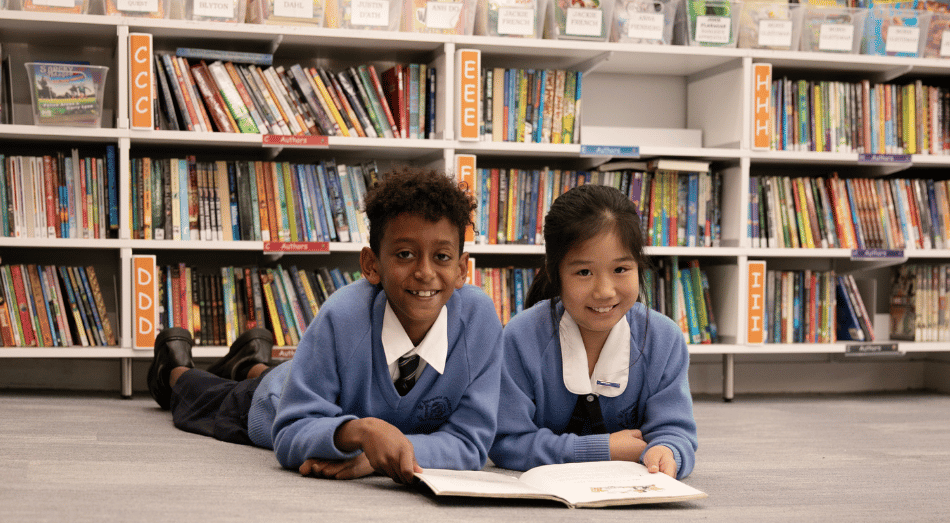
Targeted student support, evidence-informed professional learning and collaboration are driving exceptional 2026 NAPLAN results at St Joseph's Catholic Primary School Belmore.
The school recorded standout increases in writing and numeracy proficiency in 2026, lifting overall proficiency levels and, in some year groups, the proportion of students in the top achievement band:
- Students achieving Exceeding in writing increased by 37 per cent from 2025 – 2026.
- Exceeding numeracy increased by 14 per cent from 2025 – 2026.
- Numeracy proficiency rose from 57 to 76 per cent from 2025 – 2026.
Year 3 students in 2026 recorded higher rates of proficiency than Year 3 students in 2025 across all five NAPLAN domains, with highlights including:
- Reading: +12.64%
- Numeracy: +14.32%
- Grammar & Punctuation: +26.26%
- Spelling: +16.98%
- Writing +9.8%
Year 5 students in 2026 also recorded higher rates of proficiency than Year 5 students in 2025, with highlights including:
- Numeracy: +26.19%
- Grammar & Punctuation: +43.41%
- Spelling: +6.96%
"These results reflect the strong culture of learning we've built at this school, grounded in high expectations, equity and a genuine belief that every student can thrive. We're proud that this success sits alongside our commitment to educating the whole child academically, socially and personally," said Kelly Pisani, Principal at St Joseph's.
Success across Sydney Catholic Schools
Sydney Catholic Schools Director of Education and Research Kevin Carragher said system-wide results reflected a consistent, evidence-based approach to mathematics teaching.
"Our teachers are applying research on how the brain learns through explicit instruction, clear modelling, regular review and carefully tailored support, building students' confidence and ability to tackle increasingly complex mathematics," he said.
The results reveal an additional 846 Sydney Catholic Schools students have attained NAPLAN's Strong or Exceeding bands for numeracy over the past two years with an extra 400 students reaching into strong and exceeding bands for reading.
Year 5 reading proficiency rose two percentage points to 86 per cent. Among matched students moving from Year 3 to Year 5, reading proficiency increased three points to 87 per cent.
"These figures represent thousands of individual students strengthening the knowledge, skills and confidence they need for future learning," Mr Carragher said.